Common Pool Tile Installation Mistakes
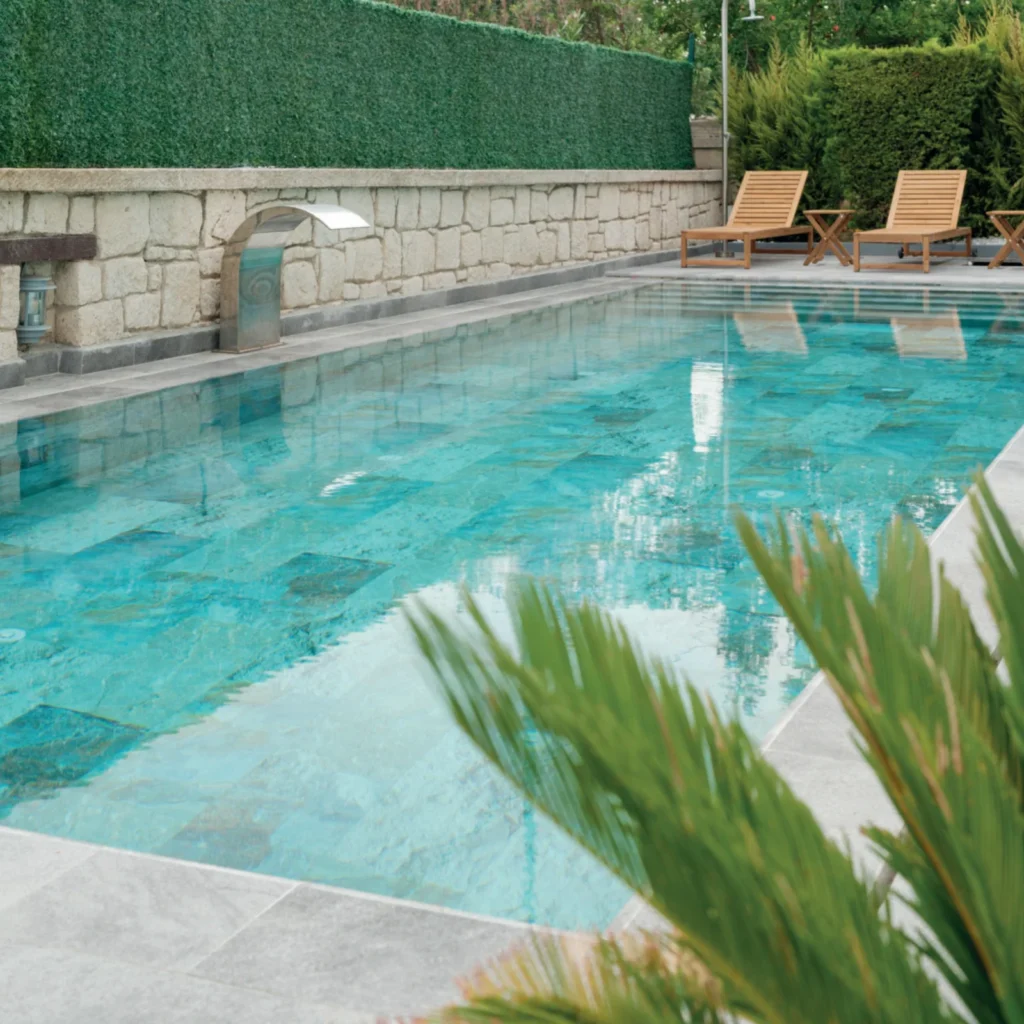
A swimming pool is one of the few building elements that does not forgive mistakes once it is tiled. The smallest bonding, grout or waterproofing error on a permanently submerged surface returns months later as blistering, color loss, leaks and costly demolition. In this guide we walk through the ten most common Serapool full-body porcelain installation errors we see on site, and how to prevent each one, architect to architect.
The 10 most common errors on site
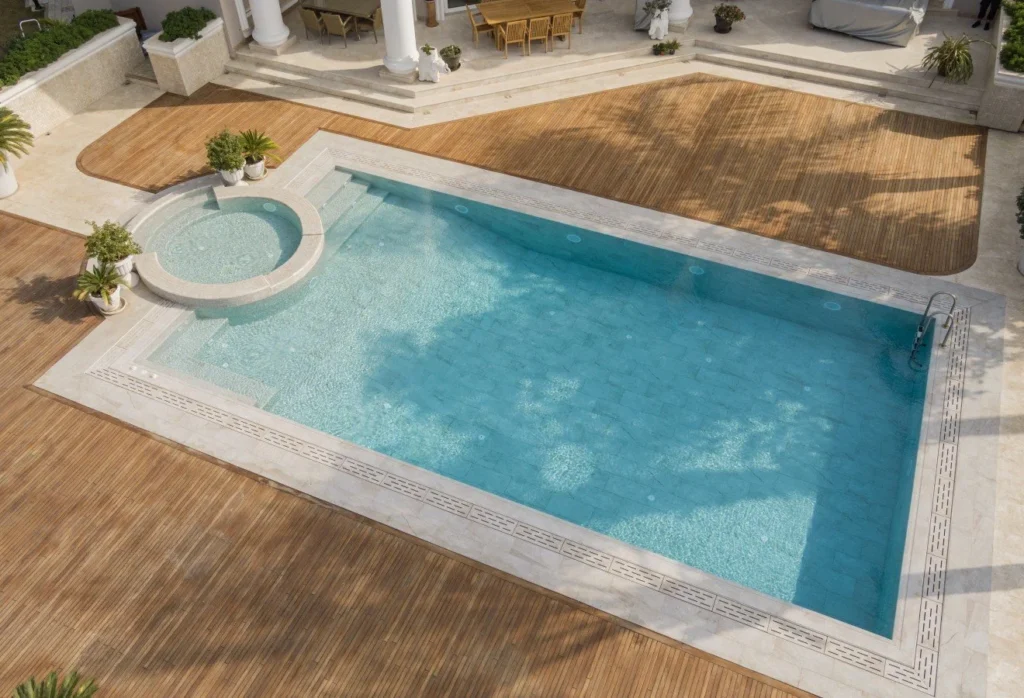
Most of these mistakes come not from the material but from planning, sequencing and communication. A correct system layout matters as much as the right product: when the pool interior, coping, grate, terrace and stairs are not treated as one whole, a single weak link puts the entire project at risk.
1. Tiling over a surface with no waterproofing
The most expensive mistake is the most invisible one. Tiling directly onto a concrete shell with missing or insufficient waterproofing leads quickly to moisture migration and bond failure. Never move to the tiling stage before a two-component, cement-based waterproofing membrane has cured. For the correct sequence, see our installation and maintenance guide.
2. Wrong adhesive selection (C1 instead of C2)
Using a standard C1 adhesive on a surface that is permanently submerged and in contact with chlorine is a serious error. Pools require at least a C2-class, high-bond, deformable (S1) cement-based adhesive. The <0.5% water absorption of full-body porcelain only delivers its value when paired with the right adhesive.
3. Insufficient waste allowance and batch mismatch
Failing to add a cutting/waste allowance and ignoring corner losses during take-off is the most common procurement error. A top-up order usually arrives from a different production batch and creates a tone difference. For correct waste and quantities, use our square-meter calculation guide.
4. Coping corners left off the order list
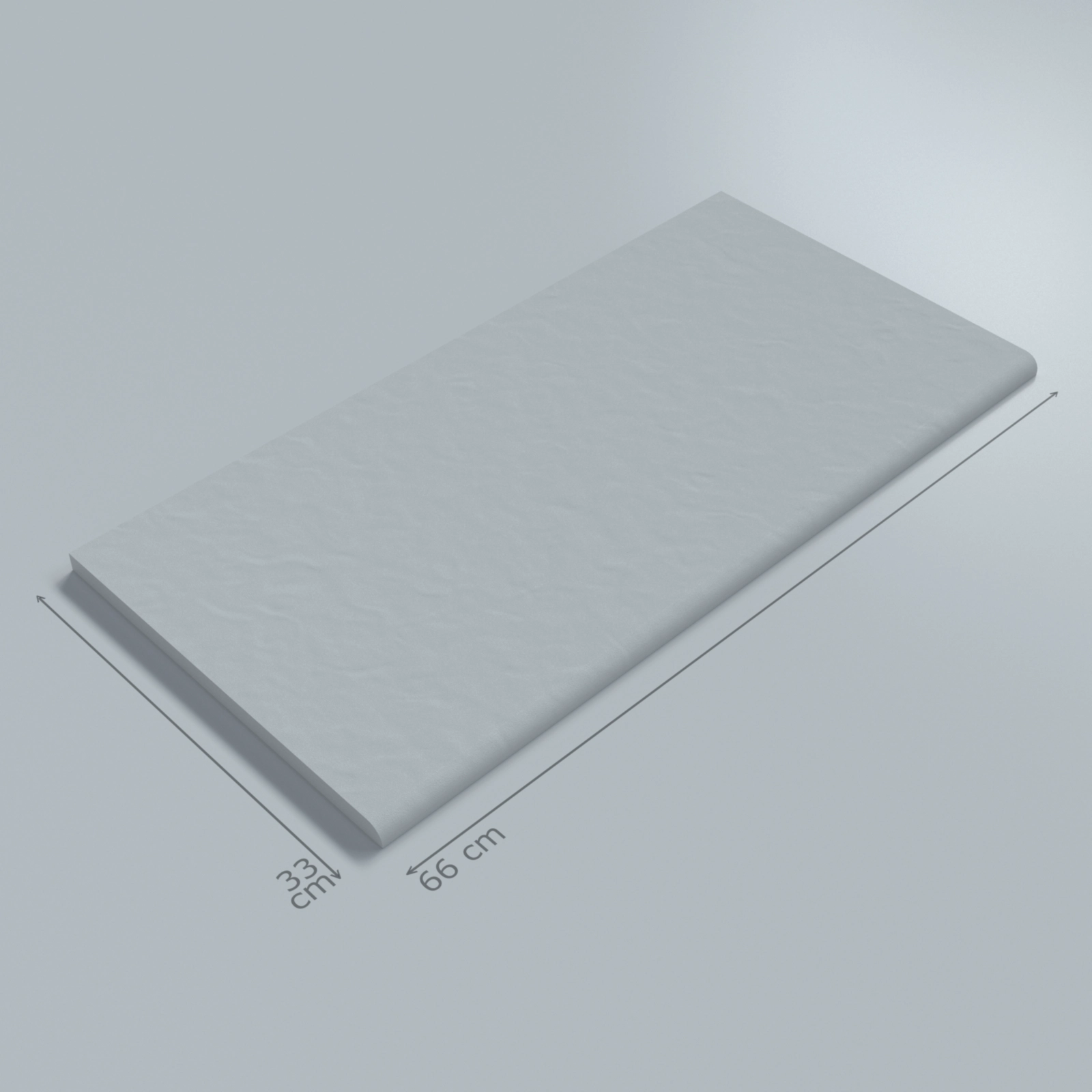
Ordering pool coping as straight pieces while forgetting internal and external corner units is a classic site-stopping mistake. On systems such as Apache unglazed porcelain coping, corner and end pieces must be on the list from the start; otherwise the edge profile breaks.
5. Using a surface that is not R11-rated
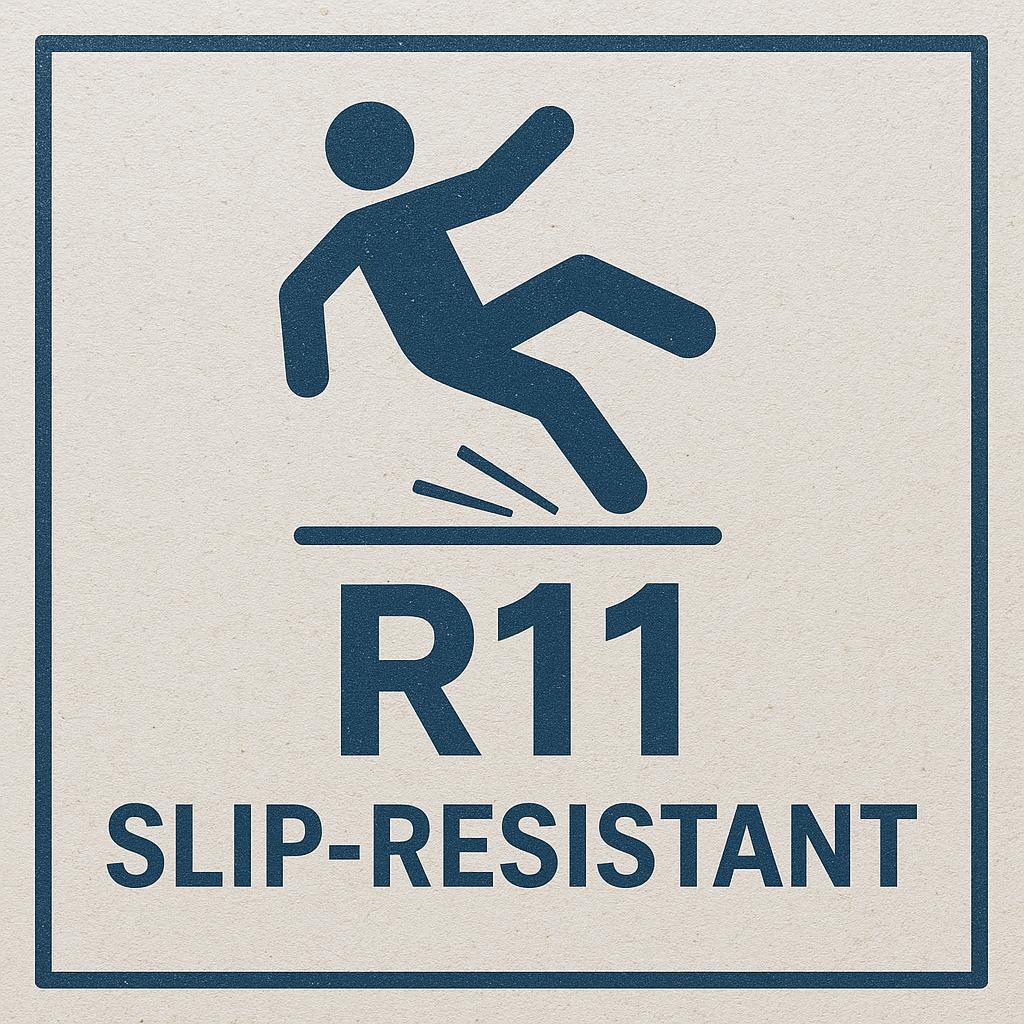
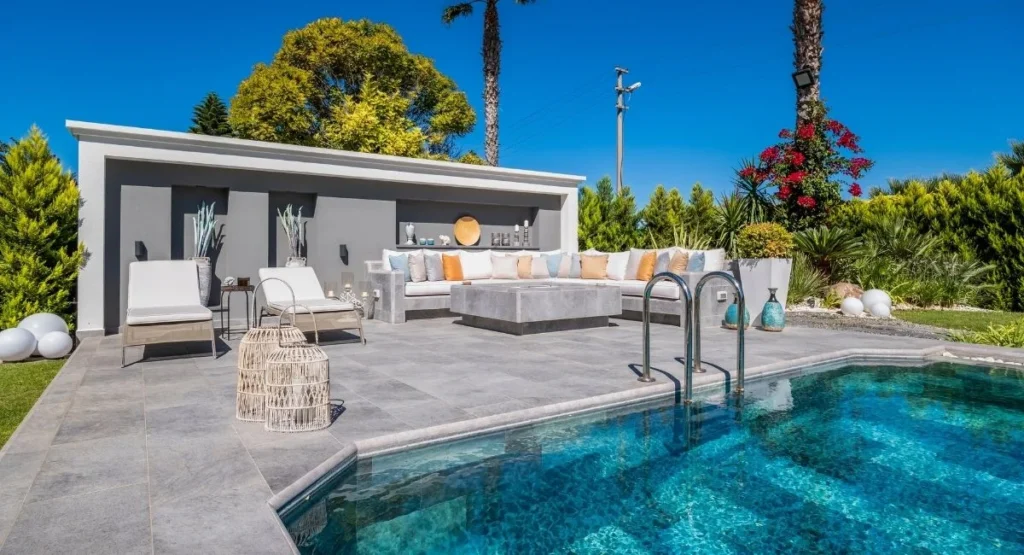
Using a low slip-rating surface around the pool and on stairs is unacceptable for safety. On wet floors, the R11 anti-slip standard is essential. Correctly matching slip classes across the pool interior, steps and terrace is an inseparable part of system integrity.
6. Grout joint: 4 mm instead of 2 mm
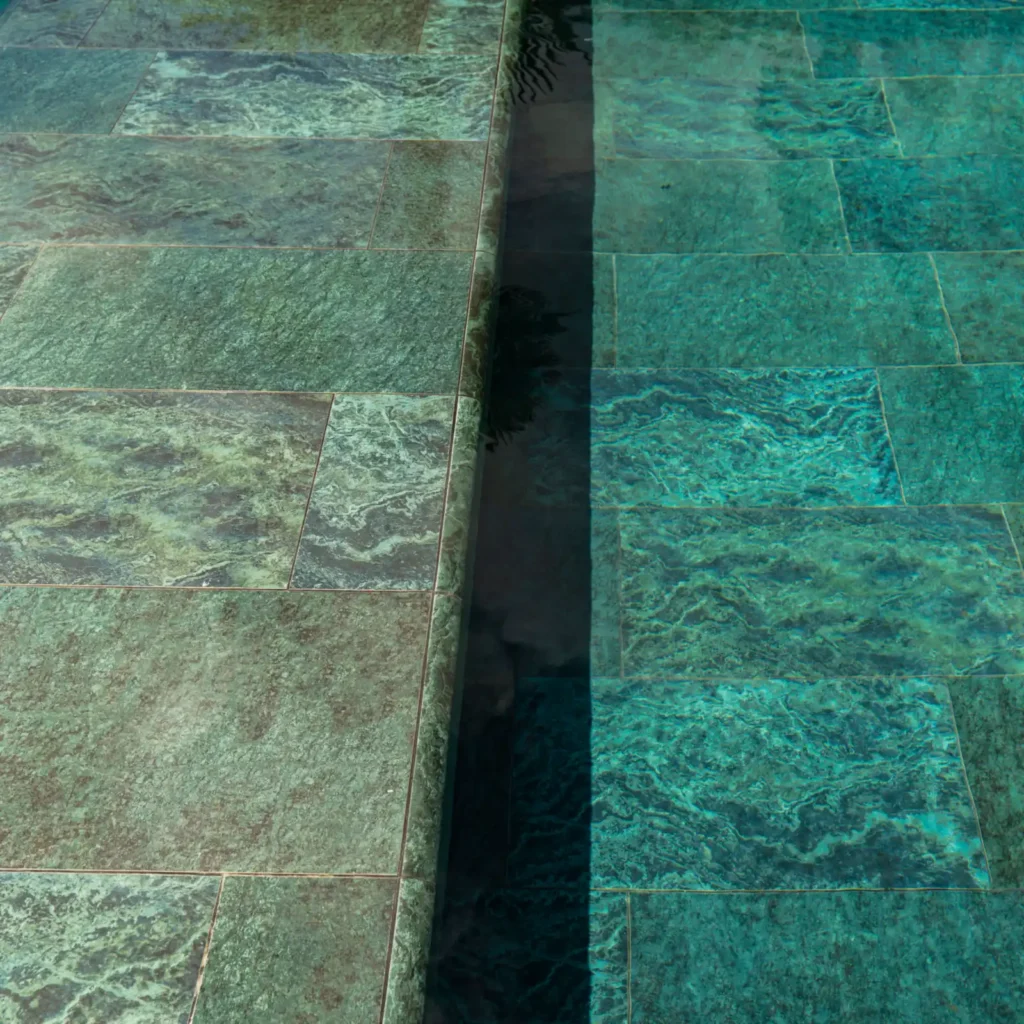
Arbitrarily widening the grout joint on porcelain pool tiles harms both aesthetics and water management. Dimensionally stable full-body porcelain can be laid with tight, even joints. For the right size-to-joint relationship, our pool tile sizes article is a good reference.
7. Choosing a grout that fails in chlorinated water
Standard cement-based grout commonly wears, discolors and becomes porous in chlorinated and salt water. On permanently submerged surfaces, an epoxy-based grout should be preferred: high chemical resistance, zero water absorption. Epoxy grout typically costs 30–40% more than cement-based, but inside the pool that difference pays back many times over.
8. Cutting errors at corners and step transitions
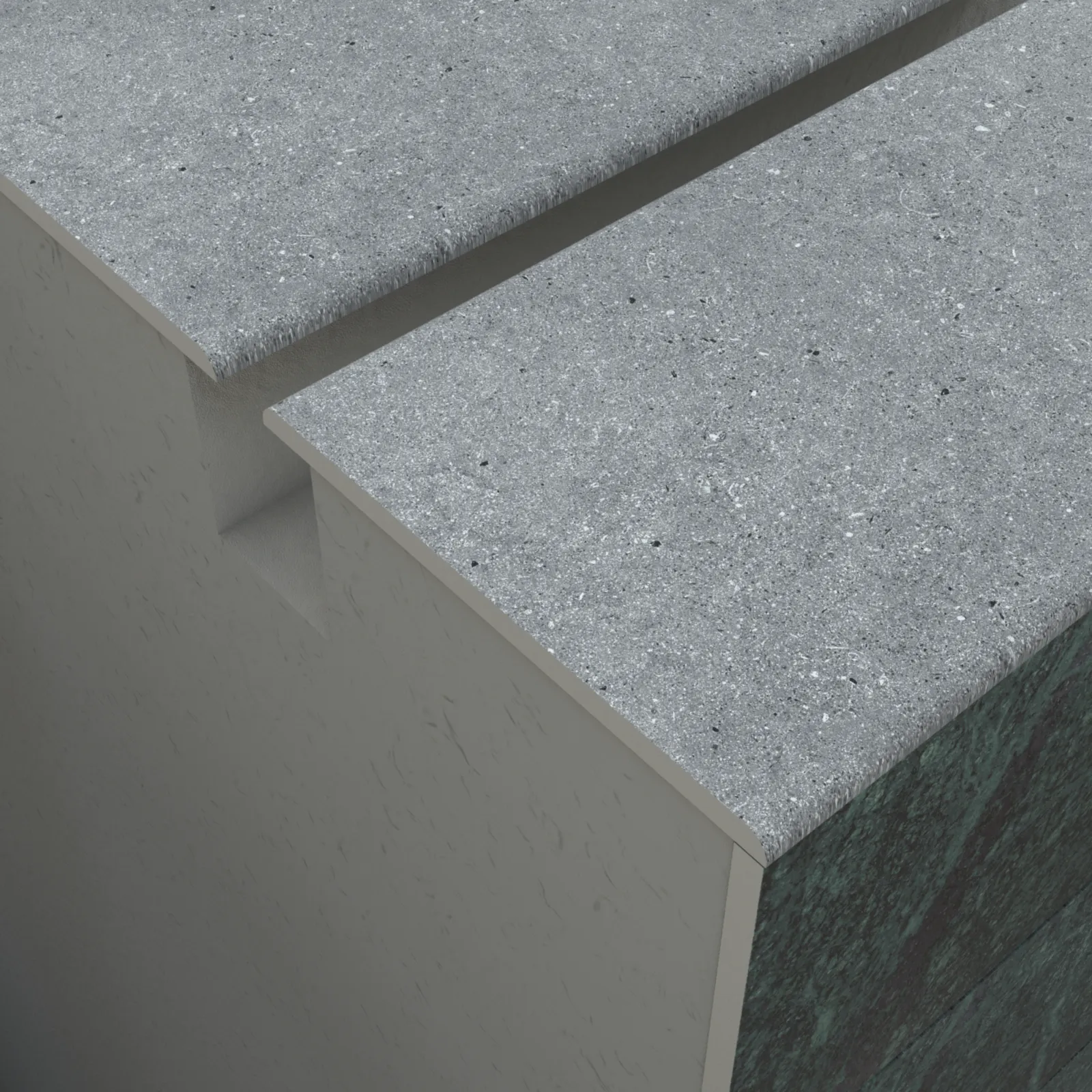
Imprecise cuts at step nosings, overflow-channel transitions and free-form corners compromise both watertightness and visual continuity. At these points, making templates and using diamond blades for precise cuts is mandatory. The whole system — pool interior, grate, terrace and stairs — must be planned to the same modulation.
9. Poor communication with the supplier and revision cost
Failing to confirm color, size, corner count and delivery schedule in writing leads to expensive revisions later. Approving series, batch, quantity and accessory lists in a single document at the start removes this risk. For questions, you can get direct technical support via our WhatsApp line.
10. Porcelain pool prices and error-free budgeting
Most mistakes inflate the budget: wrong take-off, extra freight, demolition and re-installation. Setting porcelain pool prices correctly on a per-m² basis means including waste and accessories from the start. To see the cost items in detail, review our porcelain pool prices guide.
An error-free pool through system integrity
The common denominator of all ten errors is clear: treat the pool as a system, not as separate parts. The low water absorption, R11 anti-slip and color stability of Serapool full-body porcelain reach full performance only with the right waterproofing, the right adhesive and the right grout. To set your project up correctly from the start, get in touch with us.